




-

- Blog
- Organizing an Event? How to Plan for Visitor Safety in Advance

18
September 2026
Organizing an Event? How to Plan for Visitor Safety in Advance
Blog
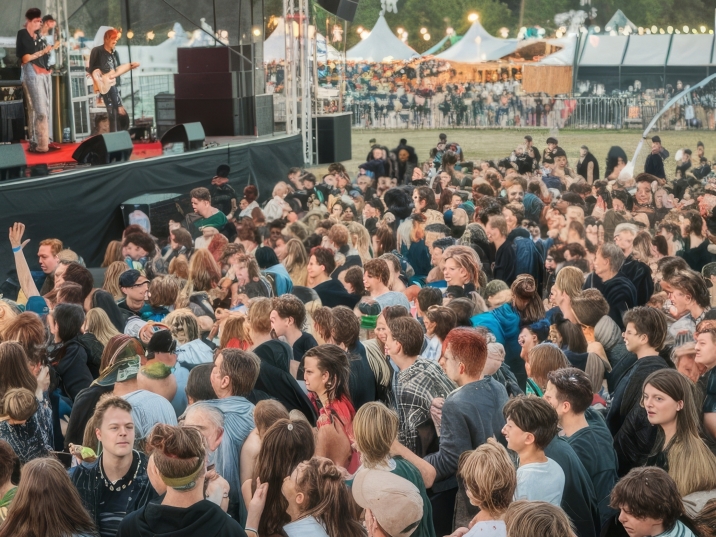
Concert, Festival or Sporting Event: How to Ensure Visitor Safety
Whether it is a concert, festival, or sporting event, every event requires thorough preparation, including planning the program, participants, and venue.
The most important factor that makes any event successful, however, is the audience. That is why the safety and security of visitors should be a top priority for every organizer.
Where Does Visitor Safety Begin?
Visitor safety starts with planning, not with reacting to incidents on site. Conduct a risk assessment based on the type and scale of the event, secure the venue, provide first aid and security personnel, and verify that all necessary permits are in place.
It is equally important to address the financial risks associated with potential incidents by arranging appropriate insurance coverage for the event.
Where to Start? Risk Assessment as the Foundation of Your Plan
To minimize unexpected situations, you must first understand the risks associated with the event.
| Event Type | Typical Safety Risks | What to Pay Attention To |
|---|---|---|
| Outdoor concert/festival | Crowding, weather conditions, stages and structures | Capacity limits, evacuation procedures, storm shelters |
| Sporting event | Clashes, injuries, congestion at entrances | Medical stations, spectator zoning |
| Children's/family event | Accidents involving children, lost children | Clearly marked areas, staff, meeting points |
| Corporate/indoor event | Fire, evacuation, alcohol-related incidents | Emergency exits, fire safety, transportation |
How to Document a Risk Assessment
It is advisable to formally document your risk assessment:
- List potential hazards for each area and activity.
- Assess the likelihood and severity of each risk.
- Define specific mitigation measures and assign responsibility for each.
- Document the plan and brief all involved staff before the event.
How to Secure the Event Venue
Physical safety measures should be a high priority. Every stage of the visitor journey, from entry to exit, along with any potential hazards they may encounter, should be carefully considered in advance.
Capacity and Crowd Management
Determine the maximum venue capacity based on the available space. Create clear movement routes, ensure entrances and exits are sufficiently wide, and provide accessibility for people with disabilities whenever possible.
Evacuation and Emergency Exits
Develop a detailed evacuation plan. Provide emergency lighting, clearly mark evacuation routes, and designate a safe assembly point outside the venue. Define who is responsible for announcing an evacuation and how it will be communicated if necessary.
Fire Safety
Fire safety measures should include visible fire extinguishers and unobstructed emergency exits. Large-scale events often involve pyrotechnic effects as part of the program. Ensure that all pyrotechnics comply with the requirements of the relevant authorities.
Weather and Technical Risks
For outdoor events, prepare contingency plans for adverse weather conditions. Secure stages and tents properly, and ensure all electrical installations are designed and installed by qualified professionals to minimize risks during heavy rain.
Who Takes Care of Visitors During the Event?
Medical Services and First Aid
Establish a clearly marked first aid station and provide professional medical services capable of responding quickly to incidents. Even in the absence of major accidents, summer events such as concerts and music festivals often involve large crowds, high temperatures, and heightened excitement, which can lead to fainting or other health-related incidents requiring medical attention.
Security and Access Control
Strict access control helps prevent dangerous items from entering the venue. Trained security personnel are essential for maintaining order and effectively managing crowd flow.
Communication and Team Preparation
Provide coordinators with radios or communication devices and conduct a thorough briefing before the event. Every team member should understand their role in the event of a crisis.
What Permits and Requirements Should You Check?
In addition to the measures outlined above, pay attention to the following:
- Verify all required notifications and permits with the relevant municipality.
- Review public order and fire safety requirements.
- Ensure compliance with sanitary and hygiene regulations if food is served.
- Obtain the necessary copyright and music licensing permissions.
- Comply with personal data protection regulations for guests.
How to Transfer Financial Risk Through Insurance
Even with excellent organization, residual risks remain. The most effective way to manage these risks is through insurance.
Accident Insurance for Event Visitors
This is a fundamental insurance product for cultural and sporting events. It is purchased by the organizer and covers expenses arising from accidents involving visitors. Learn more about "Accident Insurance for Visitors to Cultural, Sports, and Entertainment Events."
General Third-Party Liability Insurance
If third parties seek compensation for damages, a General Third-Party Liability Insurance policy can protect the organizer against such claims.
Protection for Staff and Volunteers
Protect your team through Employer's Liability Insurance or a group accident insurance policy covering staff and volunteers.
Event Property and Equipment Insurance
Stages, technical equipment, and other event assets can also be insured against damage and theft through commercial property insurance policies.
| Risk / Situation | Recommended Coverage | Notes |
|---|---|---|
| Visitor injured in an accident | Accident Insurance for Event Visitors | Core coverage for events |
| Third-party claim for damages | General Third-Party Liability Insurance | Protects the organizer against liability |
| Staff member or volunteer injured | Employer's Liability / Accident Insurance | Group policy for event teams |
| Damage to or theft of equipment | Property Insurance | Covers stages, equipment, and furnishings |
Ready? Event Safety Checklist
Final review 48 hours before the event:
- Risk assessment completed and shared with the team.
- Venue capacity determined and entrances/exits clearly marked.
- Evacuation plan established and assembly points designated.
- Fire extinguishers available and emergency exits unobstructed.
- First aid and medical services arranged.
- Security personnel and access control measures in place.
- Required permits and notifications verified.
- Adverse weather contingency plan prepared for outdoor events.
- Insurance coverage arranged for visitors and organizer liability.
- Team briefing completed and responsibilities assigned.
What Should You Do If an Incident Occurs During the Event?
- In the event of a medical emergency, activate the medical team and contact emergency services if necessary.
- If a visitor is injured, document the incident, collect witness information, and retain all relevant records.
- If damage is caused to a third party, document the circumstances and notify the insurer.
- In the event of theft or a security-related incident, notify the relevant authorities and obtain official documentation.
- Follow the insurer's instructions when reporting and managing an insurance claim.
A Safe Event Starts with Good Preparation
Visitor safety is the result of careful planning and a logical sequence of actions: risk assessment, venue security, visitor care, permits, and insurance coverage.
To ensure you are prepared even for unexpected situations, consult a trusted insurer who can provide tailored advice. Depending on the nature of your event, insurance professionals can recommend the most appropriate coverage, allowing you to focus on delivering an enjoyable and successful experience for your audience.
Frequently Asked Questions
Who purchases accident insurance for visitors: the organizer or the visitor?
The policy is purchased by the event organizer or venue owner. Visitors are automatically covered under the policy.
What is the difference between Visitor Accident Insurance and General Liability Insurance?
Visitor Accident Insurance covers treatment and compensation following an accident involving a guest. General Liability Insurance protects the organizer against legal claims arising from their liability toward third parties.
Is insurance necessary for a small or one-time event?
Yes. Incidents can occur regardless of the size of the event. Insurance products are flexible and can be adapted for one-time events.
Can I insure an event for only the day it takes place?
Yes. Insurance policies can be arranged to provide coverage only during the specific dates and times of the event.